

The Digital Driver’s License: More Than an App, It’s a Revolution in Your Pocket
Remember the ritual? The nervous trip to the DMV, the unflattering photo that haunts you for years, and that fragile, bendable piece of plastic you’re told to guard with your life. For over a century, the driver’s license has been our primary physical proof of identity. Powerful Driving Licence Creator Guide for USA 2026 Pro. But in our digital world, where your phone is your wallet, map, and communication hub, it feels archaic.
What if you could design, manage, and secure a digital version of your identity with the same ease as creating a social media profile? Welcome to the era of the driving licence creator, a concept shifting from physical laminates to dynamic, secure digital credentials.
This isn’t about a scanned PDF. We’re talking about a verified, cryptographically secure credential living in your smartphone, built on international standards. This deep dive explores the technology behind this shift, the tools acting as modern driving licence creator platforms, and what it means for privacy and security in America.
From Lamination to Encryption: The Anatomy of a Modern License
To appreciate the digital future, we must first understand the sophisticated present. The physical driver’s license is a masterpiece of analogue security.
The Physical Powerhouse: More Than Just a Photo ID
As detailed in resources like the Anatomy of a Driver’s License by IDScan, your plastic card is packed with features to prevent forgery:
- Microprinting: Tiny text invisible to the naked eye.
- Optically Variable Ink: Colours that shift when you tilt the card.
- Holograms and Overlays: Complex imagery layered over the card.
- The PDF417 Barcode: This two-dimensional barcode on the back is the workhorse. It contains all the printed information in a machine-readable format, which is why tools like the Online Tool Centre PDF417 Generator are popular for specific, legitimate business applications needing to scan data.
However, this physical model has flaws. You can lose it. It can be stolen and easily used for identity theft if the person looks vaguely like you. It requires you to hand over the entire document, revealing unnecessary information (like your weight) during a simple age verification.
The Digital Leap: Introducing the mDL (mobile Driver’s License)
The mobile Driver’s License (mDL) is the answer. Governed by the ISO/IEC 18013-5 standard, it’s not just a picture of your license. It’s a software-based identity credential. Think of it as the difference between a paper map and Google Maps. One is static; the other is interactive, updatable, and context-aware.
The core of this system is a driving licence creator platform, but one operated by official government entities like your state’s DMV. When you get a digital license, the DMV issues a cryptographically signed data set to an app on your phone. This is the true driving licence creator process, generating a secure, verifiable digital token of your official identity.
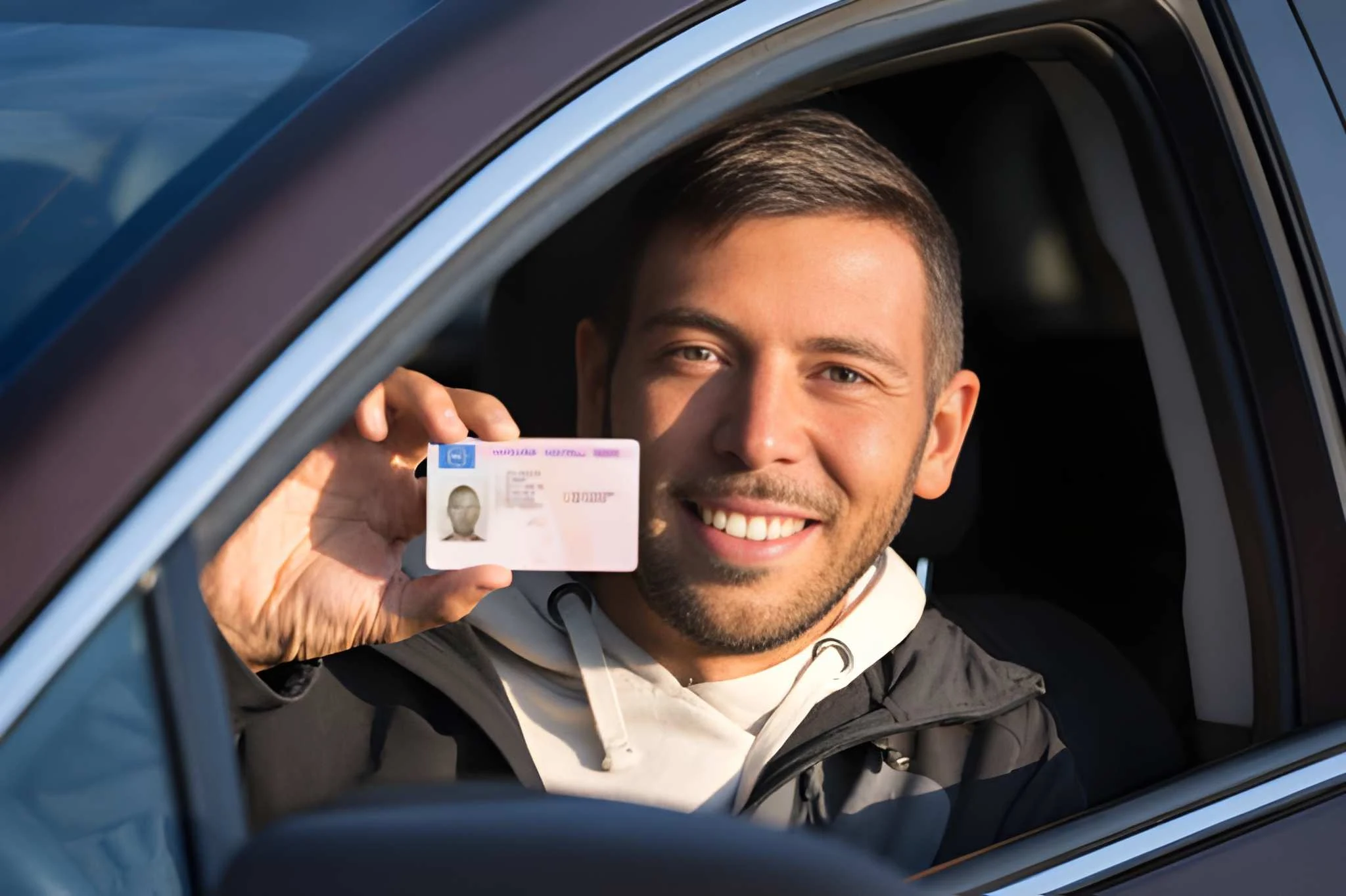
Building Trust from the Ground Up: The Technology Behind the Digital ID
So, how do we ensure this digital version is more secure than its plastic predecessor? The magic lies in a robust infrastructure of trust.
The Issuance Engine: Certificate Authorities and Key Management
When a state decides to issue mDLs, it can’t just build an app. They need a secure root of trust. This is where cloud infrastructure, like the solution outlined by AWS in their mDL blueprint, becomes critical.
Imagine the DMV as a digital mint. They use a Private Certificate Authority (CA) to create a unique, unforgeable digital certificate for every single license they issue. This certificate is tied to a set of cryptographic keys, managed in a Hardware Security Module (HSM) via a service like AWS Key Management Service (KMS). These keys are the “master seals” that prove the license is genuine. This backend system is the ultimate, government-grade driving licence creator, ensuring every digital license is as official as the one printed at the DMV office.
The User Experience: How You Interact With Your Digital ID
Using an mDL is designed to be intuitive and secure. Let’s use a relatable example: buying a six-pack of craft beer at a busy grocery store in Austin, Texas.
- You Tap or Scan: The cashier asks for your ID. Instead of fumbling for your wallet, you open your state’s mDL app, authenticate with your face or fingerprint, and a QR code appears on the screen.
- Secure Handshake: The cashier scans the code with their standard barcode scanner. This doesn’t transmit your data yet. It establishes a secure, encrypted Bluetooth connection between your phone and the store’s point-of-sale system.
- You Control the Data: Your phone then displays a prompt: “The store is requesting your age and expiration date. Do you consent?” You see exactly what information is being asked for: only your age and license validity, not your address, weight, or real name.
- Verification and Completion: You hit “Approve.” Your phone sends only the consented data, cryptographically signed by the DMV’s CA. The system verifies the signature in milliseconds, confirms you’re over 21, and the sale goes through. The store never sees your full details, and you never hand over your physical license.
This process transforms you from a passive carrier of identity to an active manager of it. The driving licence creator platform gives you the tool, but you control how it’s used.
Navigating the Road Ahead: Challenges and The FAQ Pit Stop
The journey to widespread mDL adoption isn’t without speed bumps. Concerns about digital divides, data storage on personal devices, and nationwide interoperability are being actively addressed by standards bodies and state governments.
The security model, however, is profoundly stronger than the physical alternative. Losing your phone with an mDL is far less catastrophic than losing your physical wallet; without your biometrics to unlock the app, the data is inaccessible.

Frequently Asked Questions (FAQ)
Yes, a growing number of states have passed legislation approving mDLs as a legal form of identification.
mDLs are designed for offline verification. The ISO standard allows for device-to-device communication without cellular data.
TSA has integrated mDL readers at many major airports, allowing you to bypass handing over your physical license.
Dramatically better. You only share the specific data required, not your entire personal profile.
The official driving licence creator is your state DMV, using secure systems to issue a verifiable credential to your device. Is a digital driver's license legally accepted in the USA?
What if my phone dies or I have no signal?
Can I use my mDL at an airport TSA checkpoint?
How is my privacy protected with a digital ID?
Who is the ultimate driving licence creator?
The Final Destination: A More Secure and Convenient Future
The transition from a static piece of plastic to a dynamic digital credential is one of the most significant shifts in personal identification in a century. The technology, built on robust standards and cryptographic security, promises a future where proving who you are is faster, safer, and puts you in control. The concept of a driving licence creator has evolved from a fun template-making tool to a sophisticated government and user-controlled system for managing digital identity.
As more states roll out their programs and businesses adopt the verifying technology, the day you leave your physical wallet at home is rapidly approaching. The driving licence creator revolution is here, and it’s paving the way for a future where your identity is not just something you carry, but something you truly command.